Trend and Insight
May 6, 2026
Web design trends for 2026
The title says it all
Eugene,
UX/UI Designer
Remember when adding a simple drop shadow to a button felt futuristic? Or when parallax scrolling made a flat page feel like an adventure? Those one-cutting-edge features—dark mode, gradients, playful motion—have become baseline expectations for modern websites.
With 2026 around the corner, new Web design trends are pushing boundaries again. Whether you’re leading creative teams or starting to experiment with your first website, this guide is here to inspire you with the innovations shaping digital experiences—and shows you how to bring them to life in your designs.
1. 3D and immersive elements
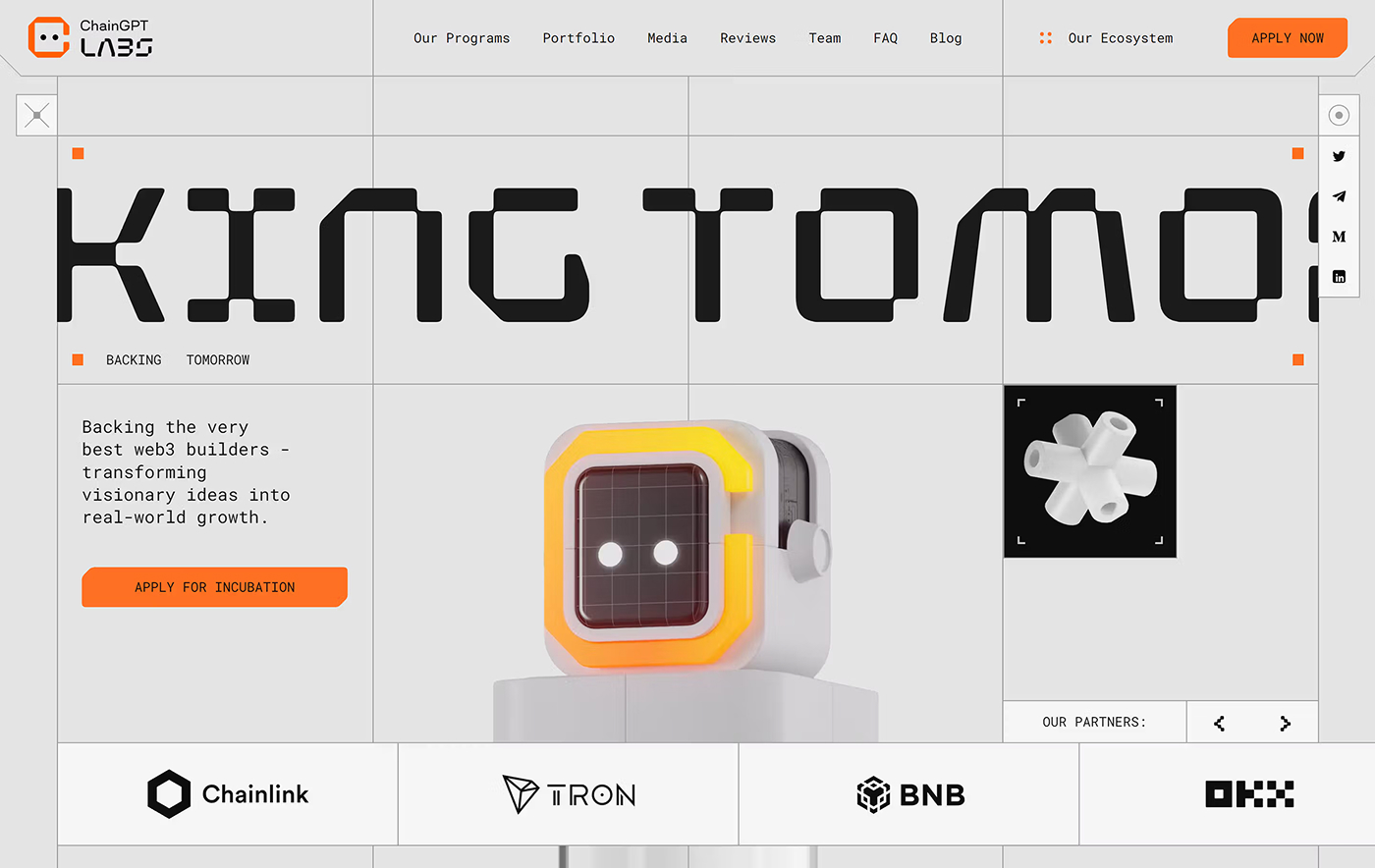
Designers are leaning into depth and interaction, moving beyond static images to immersive, 3D-driven experiences. Using technologies like WebGL, sites now feature interactive models, scroll-triggered animations, and AR previews
You might see this as a shoe you can spin 306 degrees or in virtual tours that let you walk through a space. Brands like Nike and IKEA use 3D and AR to help users virtually try on products, visualize a fit, or navigate environments before making a purchase.
You can use prototyping tools and plugins that mimic WebGL effects to simulate these interactive elements. Try layering effects, experimenting with scroll-triggered animations.
2. Experimental navigation
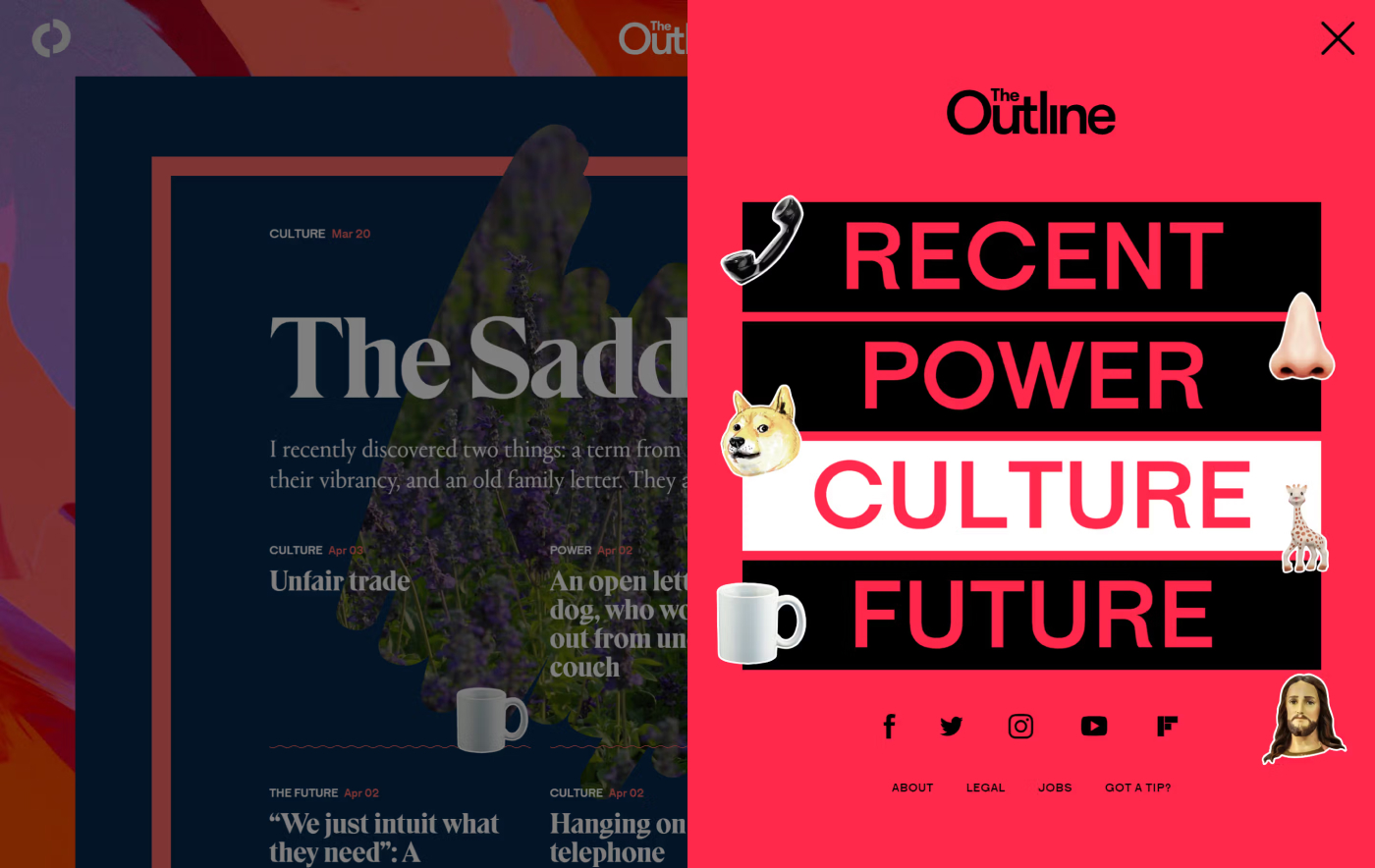
Not all websites follow the standard “Home/About/Contact” path anymore. Designers are experimenting with layouts that feel more like exploration than navigation. Think radial menus, hidden drawers, interactive maps, or nonlinear journeys.
Tools like Figma Make and Dev Mode make it easy for your team to prototype these explorations. Check out sites like Locomotive, The Outline, Palmer dinnerware, and Google’s Arts and Culture for inspiration.
3. Vibrant color palettes
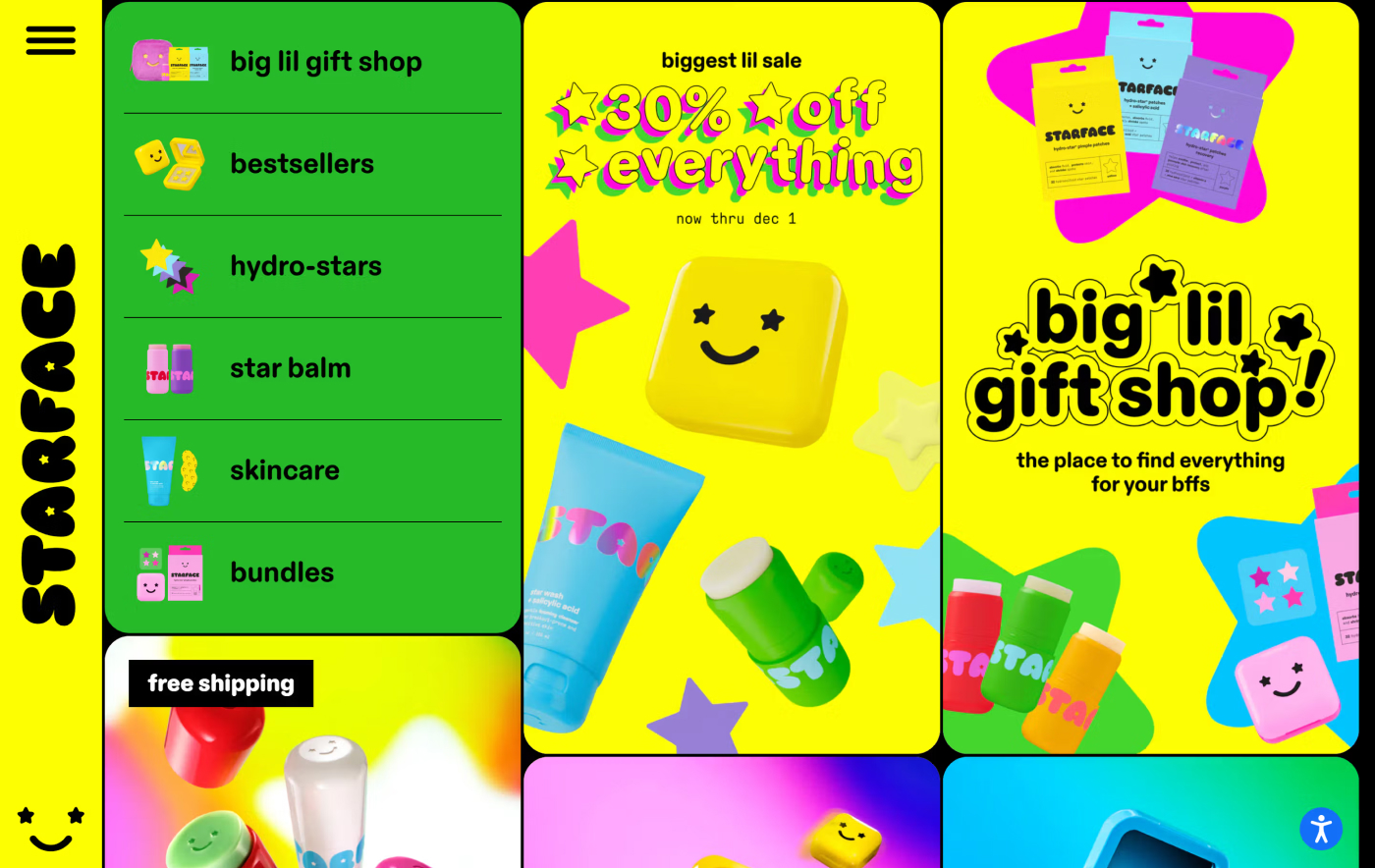
Color is turning up the volume in 2026. One of the Web design trends for 2026 is that bright, saturated color palettes are making a comeback, fueled by Y2K nostalgia, retro patterns, and “dopamine design” aesthetics. Neon gradients, high-contrast pairings, and playful hues are replacing minimal or muted tones, especially on sites for lifestyle, beauty, and youth-focused brands. Look to examples like Lush, Headspace, and Starface.
4. Bold typography
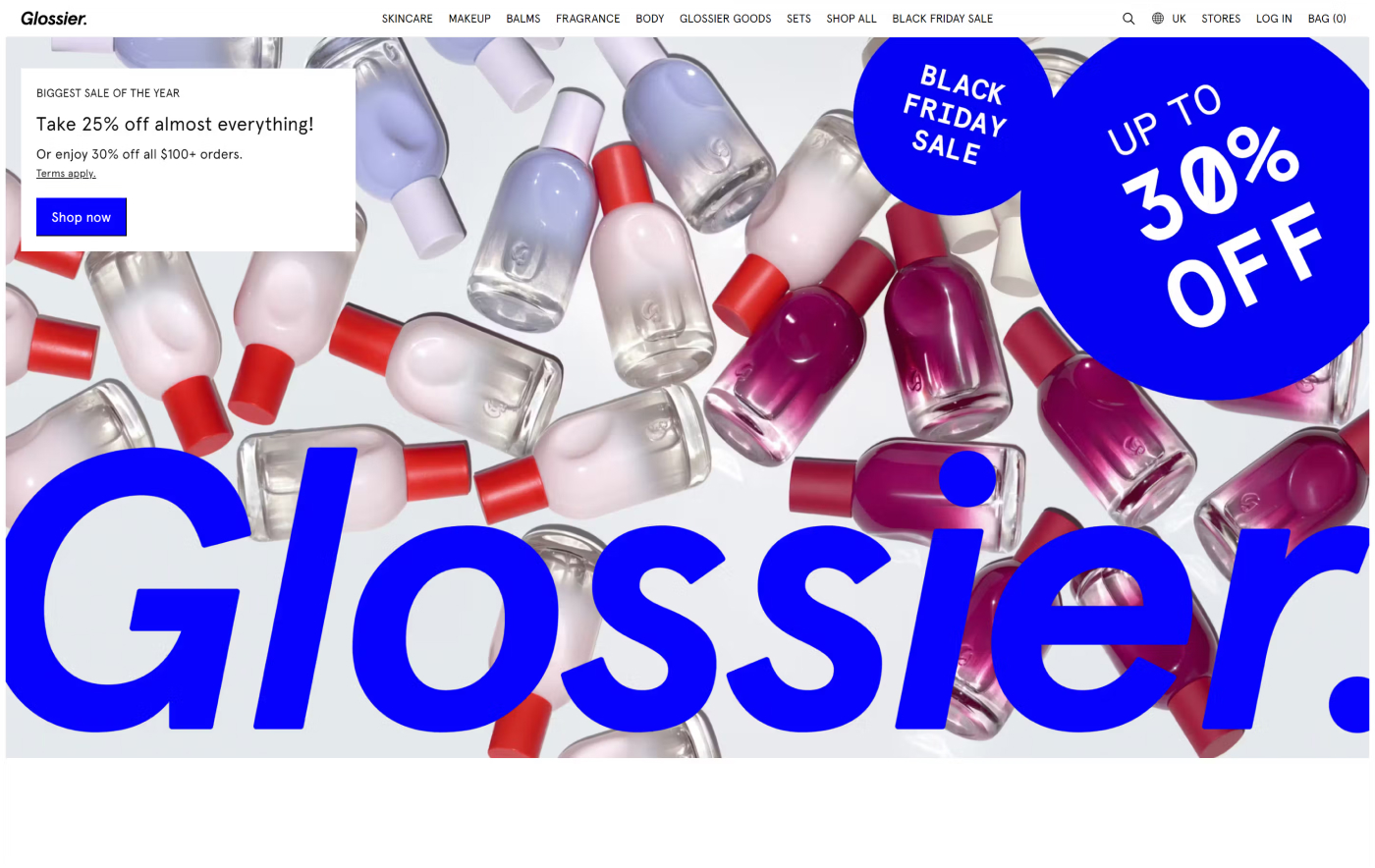
Typography is taking center stage in 2026, moving beyond legibility into storytelling. Brands are using custom fonts, oversized headlines, motion, and layered styles to make bold first impressions.
You’ll see expressive types in everything from landing pages to navigation. Hero sections now often feature kinetic lettering, dynamic font pairings, and variable fonts that respond to interaction or context. Glossier and Samsung are two standout examples.
5. Motion design and animation
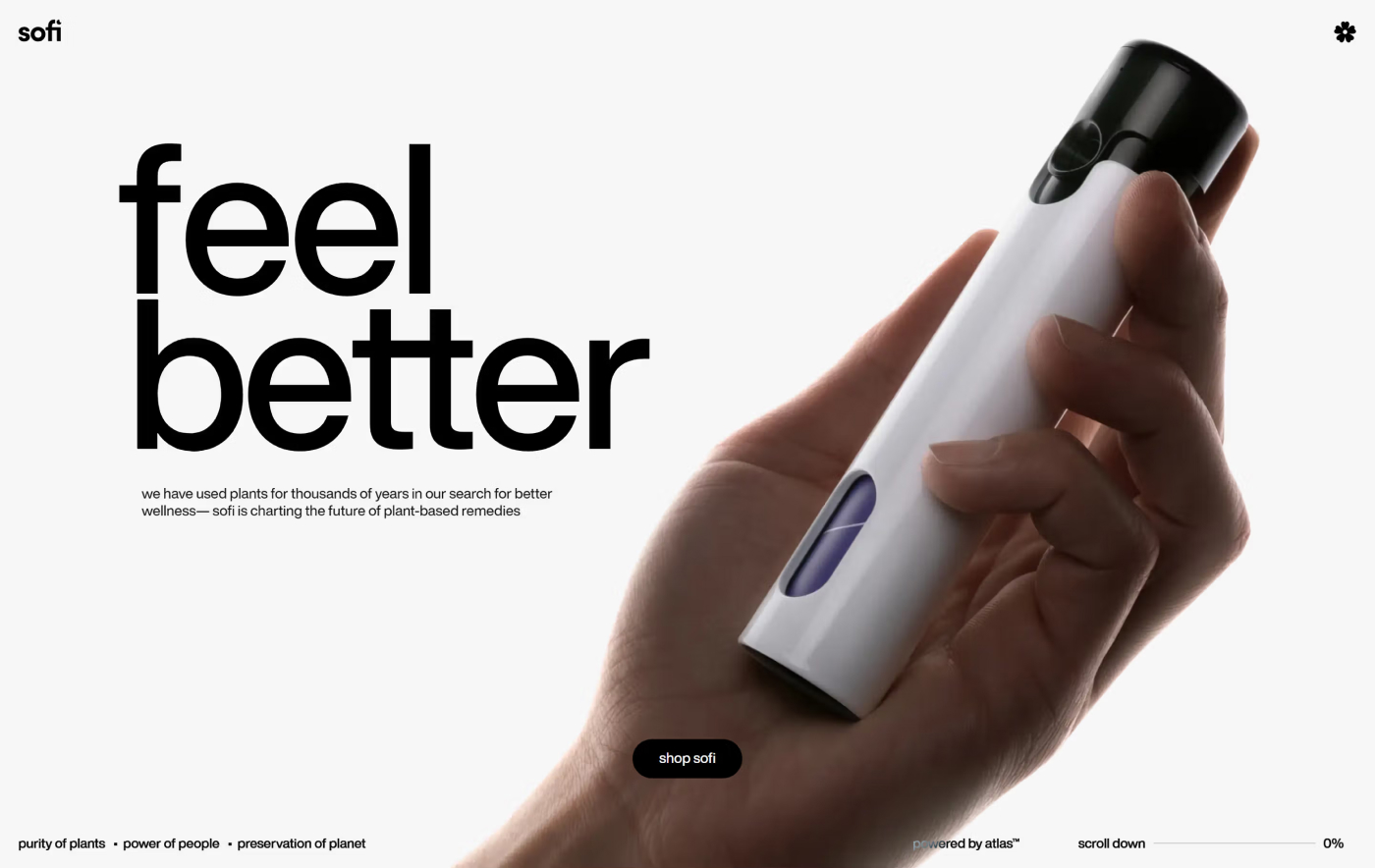
Motion design adds rhythm and storytelling to Web experiences. From subtle hover effects to full scroll-based narratives (“scrollytelling”), motion helps guide attention and build immersion.
Brands like Nike and Ralph Lauren use micro animations—scroll triggers, button ripples, animated states—to enhance the user journey without slowing performance. Other examples include Jitter, Sofi, and Silo. Play with interactive components and smart animate in prototypes. Test motion timing and easing curves to match the tone of your site—smooth for luxury, snappy for playful brands.
6. Motion design and animation
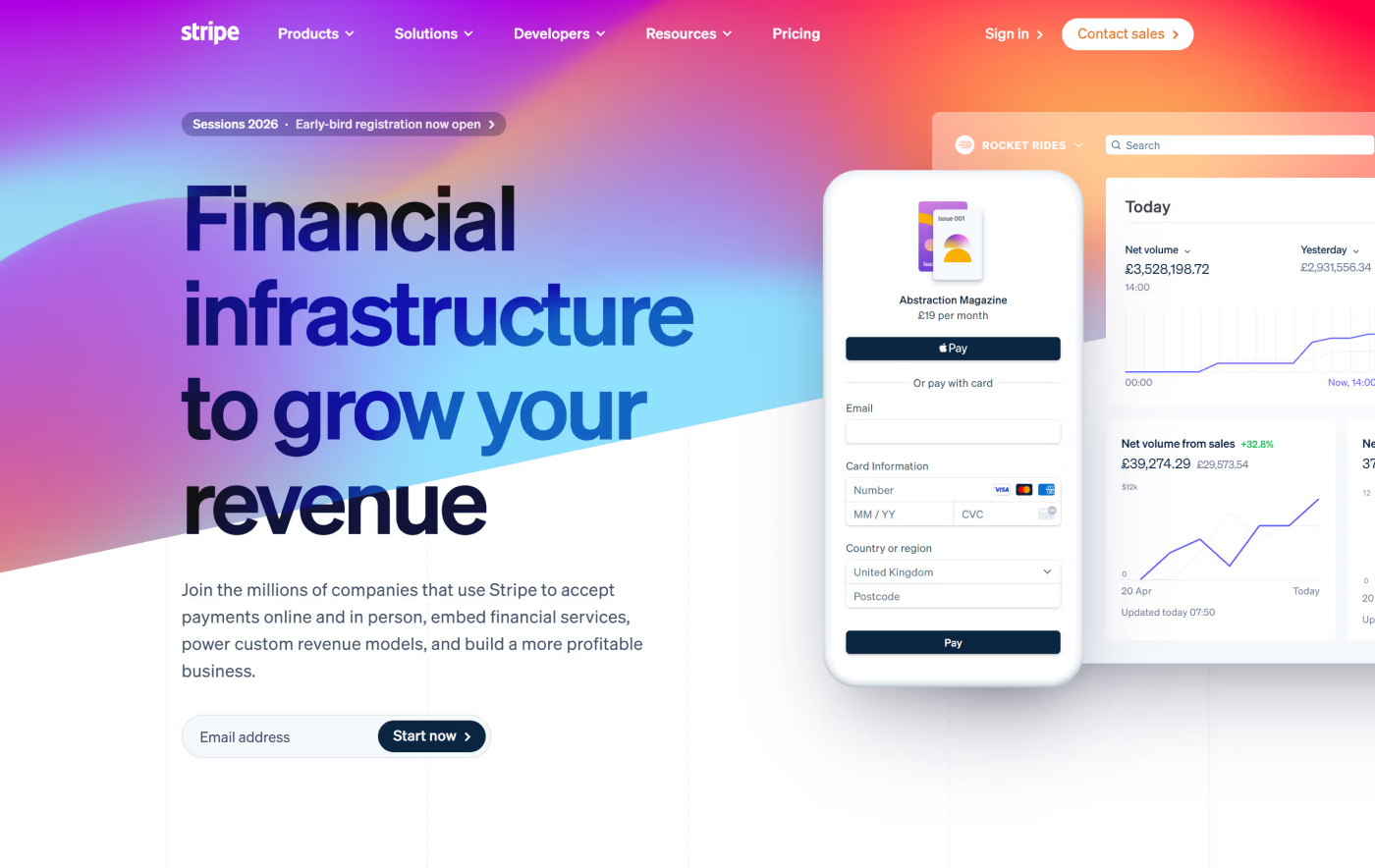
Neumorphism blends the realism of skeuomorphism with simplicity in design. Soft shadows and subtle gradients create raised or inset elements that look almost touchable—great for interfaces that aim to feel tactile and refined.
You’ll see this trend in fintech and productivity apps where clarity meets polish. Brands like Apple, Flow Ninja, and Stripe use it to create interfaces that feel intuitive and elevated.
Features of a skeuomorphic design mimic their real-world counterparts—for example, the trash folder looks like a trash can, and the “save” button looks like a floppy disk. By calling upon existing knowledge of the physical world, skeuomorphism makes interfaces easier to understand and use.
7. Retrofuturism
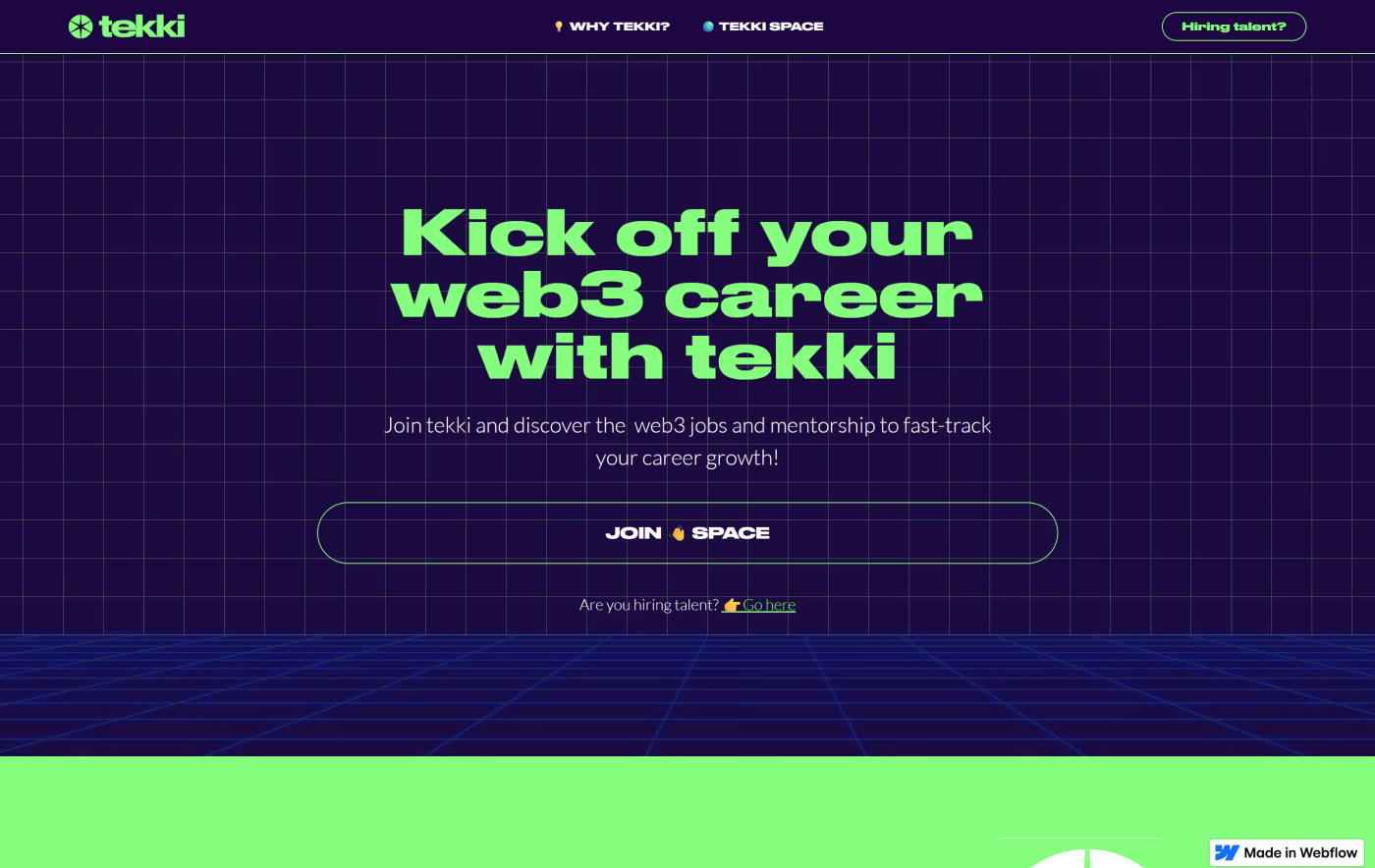
Retrofuturism fuses nostalgia with optimism, bringing vintage visions of the future into modern Web design. Expect neon accents, chrome textures, pixel art, bold gradients inspired by sci-fi films, arcade games, and early Web aesthetics.
Retrofuturism often pairs well with futuristic fonts and works especially well for lifestyle brands, portfolios, or music and entertainment sites that want to stand out with personality.
8. Maximalism
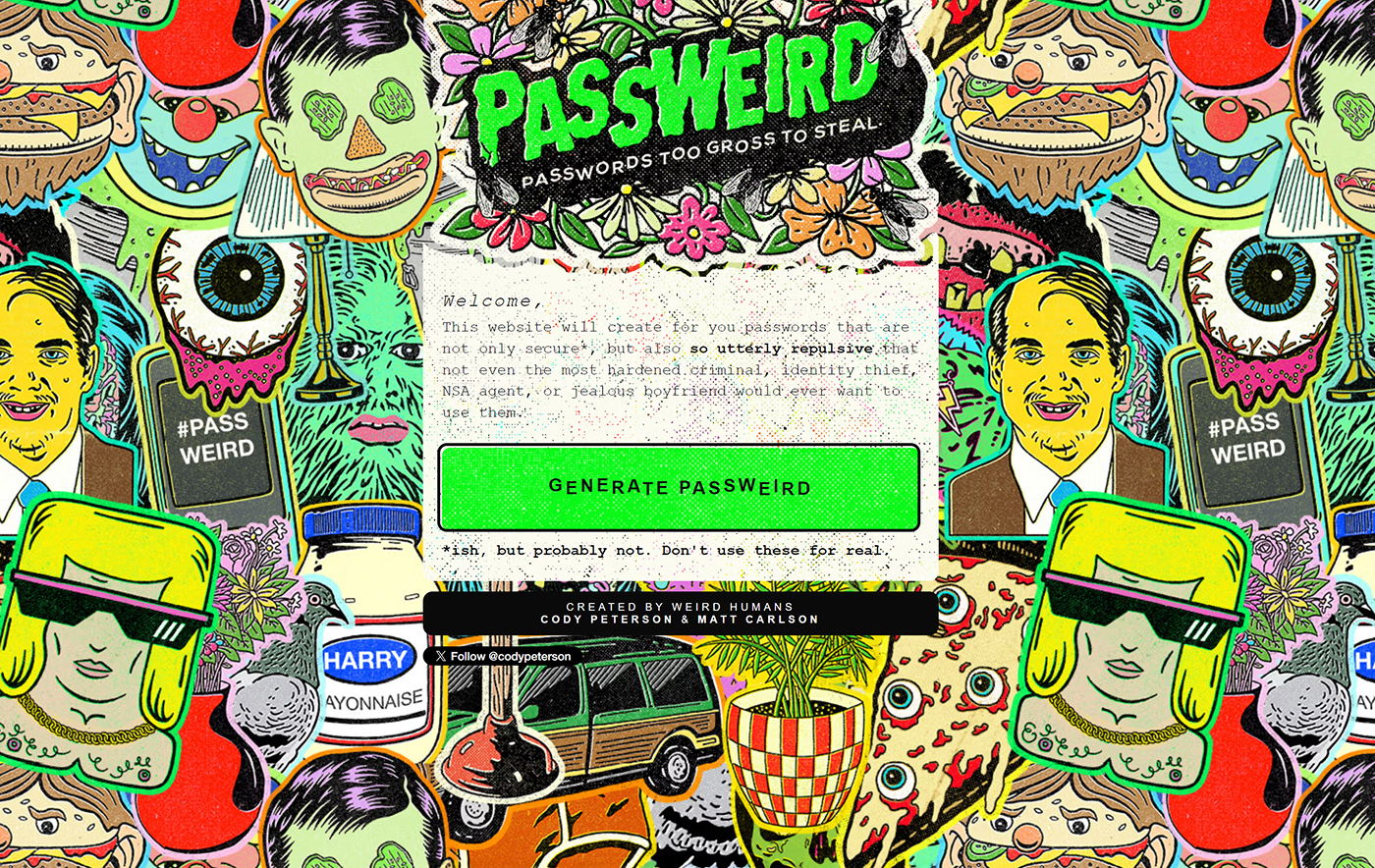
Minimalism isn’t going anywhere, but maximalism is taking up more space—in the best way. Rich colors, overlapping visuals, bold fonts, and dense compositions are key ingredients in this high-energy trend.
Brands like Spotify and Liquid Death lean into maximalism to surprise and engage visitors, using layers of texture and bold storytelling to leave an impression.
9. Neo-brutalism/“anti-design”
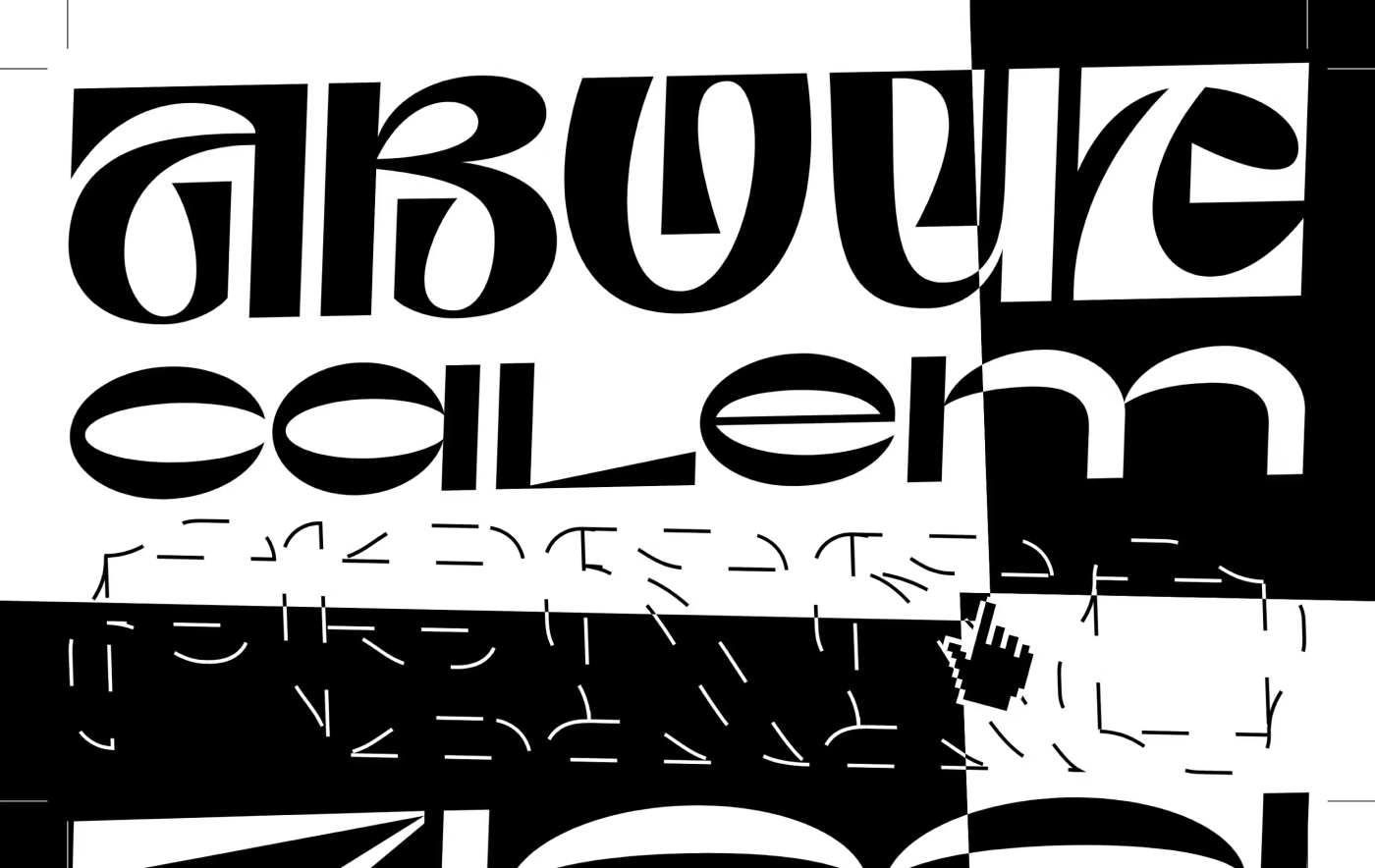
Neo-brutalism (or“anti-design”) embraces raw, unpolished visuals that stand out in a sea of sleek, minimalist templates.
This style challenges norms and creates a sense of urgency or irreverence—perfect for brands that want to provoke, surprise, or break away from convention. You’ll see it in edgy fashion brands, experimental agencies, and creative portfolios.
Brands like Balenciaga, Diesel, and Mailchimp have used anti-design principles to stand out and create memorable websites.
10. Sustainable web design